Language is not a test, it's communication. Learn like children do - with joy and curiosity.
I'll be your Language Parent on this journey. 🫰
What You'll get in 5 Minutes:
✓ The real reason children seem like language geniuses
✓ How to turn Korean from noise into meaning: The 50% Rule
✓ Your Korean learning playlist: Ready to use
 Breaking the Biggest Myth
I'm too old to learn a new language
A three-year-old child experiences language for about 10 hours every single day. Over three years, that's 10,000 hours of exposure. Meanwhile, most adults study for maybe 100 hours, fail to become fluent, and conclude "I have no talent for languages." But wait - that's only 1% of what that child experienced. The problem was never age. It was time, method, and most importantly, the crippling anxiety we bring to adult learning.
The real problem: Not age, but exposure time, method, and anxiety
 The Truth About Children's Language "Talent”
1. Exposure Time
•
Every waking moment = language learning
•
Parents, TV, play = 24/7 language bath
•
No "study time" - They just enjoy talking, it's just life
2. Freedom from Fear
•
Say "goed" instead of "went"? No shame!
•
"I eated"? Parents smile and understand
•
Grammar worry: 0%, Communication desire: 100%
3. Natural Pattern Recognition
•
No grammar rules memorization 
•
Patterns emerge from repetition 
•
Brain naturally detects and applies patterns
12 Years of Study, Zero Conversations
I studied English for 12 years. Twelve. Years. I memorized tones of vocabulary lists. I could explain all the grammar. But my ability to have an actual conversation? Zero.
The moment of truth came during my freshman year at university. An exchange student asked me simple questions: "What's your major? Do you want to get dinner together?"
After 12 years of English study, I froze. My brain cycled through grammar rules while searching for words.
Twelve years. Perfect test scores. Couldn't handle a lunch invitation.
Before: 12 Years of English Study, 0 Minutes of Real Conversation
I had never actually learned English. I had learned about English. I had studied it like biology or mathematics - as an academic subject with rules to memorize and tests to pass. Every time I tried to speak, my brain would run this checklist: Is the grammar correct? Did I just say "peoples" instead of "people"? Wait, do I say ‘am I scary’ or ‘am I scared’ in this situation?
How Grammar Turns Love into Anxiety
I met so many exchange students struggling with the same patterns. One told me Korean was ruining his love for Korean culture. "Learning the Korean Alphabet was actually fun," he said one day, looking defeated. "But then came the particles. Subject particles, object particles...(Korean Grammar) If there's a final consonant, use 은, if not, use 는. Why? Why is it so complicated?" He'd been so excited to get closer to Korean culture, but Korean grammar was killing his enthusiasm. "I have Korean class in an hour," he'd say, "…and I feel nervous about it.”
Then there were the students who could understand Korean perfectly. They watched K-dramas without subtitles and understood everything. But when it came time to speak? Nothing. Complete freeze. They were so terrified of making mistakes, so uncertain about whether their sentences were "correct," that they simply... didn't speak. They knew more Korean than they could ever express.
Watching them, I saw myself. We weren’t failing—we were just caught in the same misunderstanding about how humans really learn languages.
The Natural Way We All Forgot
Children don't learn languages because they're geniuses. They learn because they're immersed without anxiety. Think about it - a child says "I goed to the store" or "I eated breakfast," and what happens? Parents smile, understand, and respond naturally. The child feels successful because communication happened.
Children get 10,000 hours of this stress-free, meaning-focused exposure. They hear language all day long in context - seeing mom's face when she says "happy," feeling the warm hug that comes with "I love you," watching the dog sit down when someone says "Sit down." The meaning comes first, always. Grammar patterns emerge naturally from repetition, like paths worn into grass from daily use.
But what do we adults do? We front-load grammar rules before we've even gotten comfortable with the sounds of the language. We memorize particle usage charts before we can comfortably say "I'm hungry." We're so afraid of being wrong that we sabotage our ability to communicate at all.
Why You Speak Better After Drinks
You know that phenomenon where people suddenly speak foreign languages better after a few drinks? It's not that alcohol makes you smarter. It's that it turns off your internal critic - the voice that constantly checks and double-checks every sentence. Drunk you doesn't care if your sentence is grammatically correct or not. Drunk you just wants to communicate and have fun.
And guess what? It works! People understand.
This is exactly how children operate all the time. They're in a permanent state of shameless communication. And that's exactly the state we need to recreate.
Language ≠ Test Subject
 Where I was getting stuck:
•
Memorizing vocabulary blindly & grammar first, natural exposure never
•
Obsessing over perfection
•
Self-correcting "peoples" to "people" mid-sentence
 What actually works:
 •
Lots of listening with visual context
•
Daily lunches with exchange students: Real communication while feeling safe
•
New mindset: "Did they understand? Yes? SUCCESS!"
The Day I Stopped Studying and Started Learning
I completely changed how I approached English. No more vocabulary lists. No more grammar drills. Instead, I started watching Pixar movies - yes, children's movies - because the visual context made everything clear. When characters looked sad, they used sad words. When they were excited, their whole body language supported the meaning.
I spent time with international students, but with new rules: think less about grammar, worry less about making perfect sentences, just communicate. At first, I sounded like a five-year-old. "Yesterday I go to shopping!" But people understood me. We laughed, we connected, we became friends. And gradually, without ‘studying’, the patterns settled into place. My brain started getting used to the patterns not because I memorized rules, but because I had heard "I went shopping" so many times that "I go shopping" started to sound wrong for past tense.
The same transformation is possible with Korean. In fact, it's easier for adults in many ways. We already understand abstract concepts. We know what democracy means, what love feels like, what frustration is. Korean children have to learn these concepts and the words simultaneously. We just need new labels for things we already understand.
 The Child Method for Adult Learners
 Listening: The 50% Rule
You should watch the content you understand at least 50%
1.
Choose video: 50%+ comprehensible through visual clues
2.
Watch twice: With screen (grasp situation)
3.
Audio repetition: While driving/walking/chores (no screen needed)
•
After watching with visuals, your brain has context. Audio-only repetition then reinforces language patterns.
Beginner Recommendations:
•
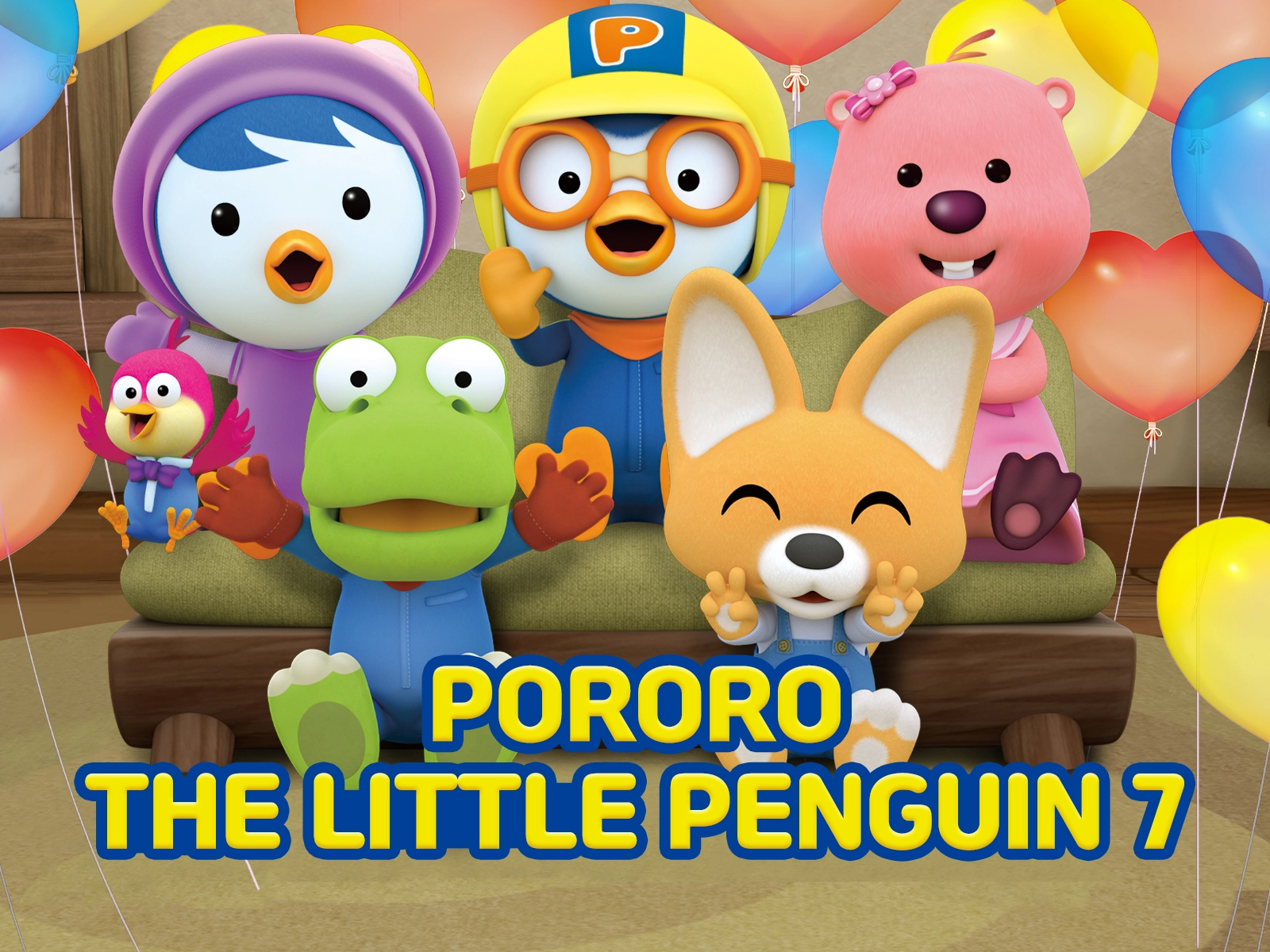
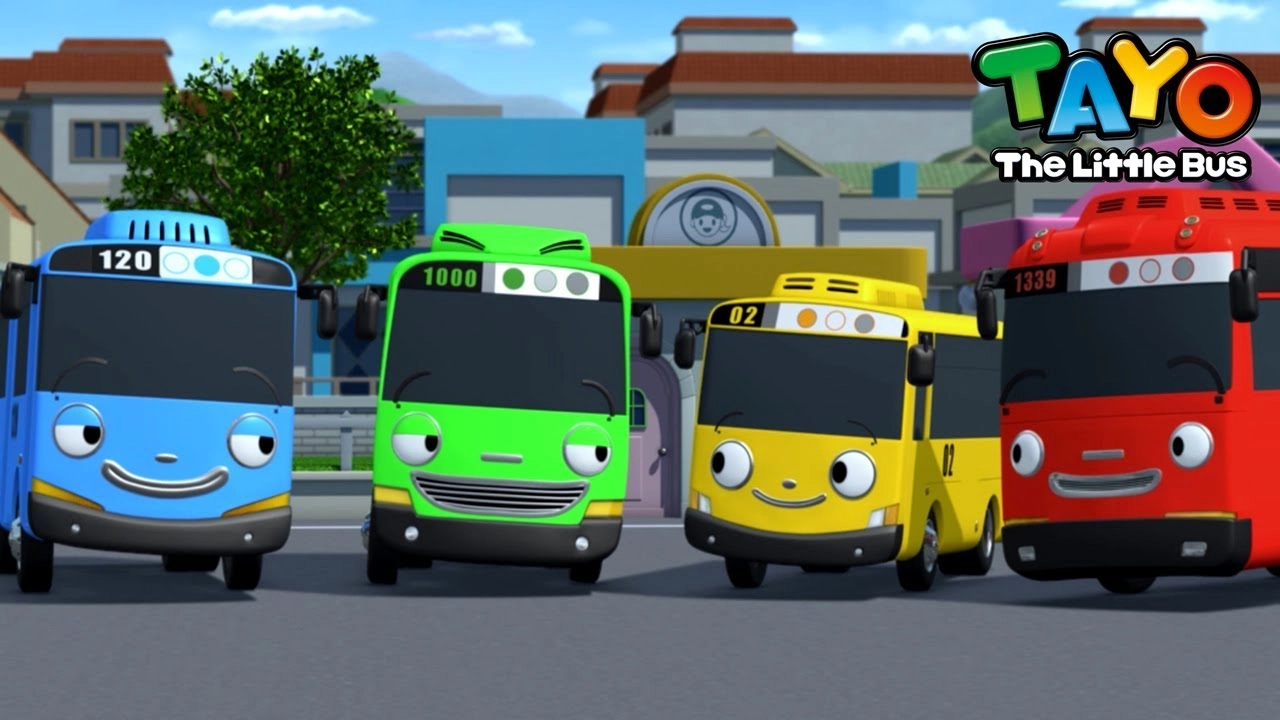
Korean kids' animations
◦
Pororo the Little Penguin
◦
Tayo the little bus
•
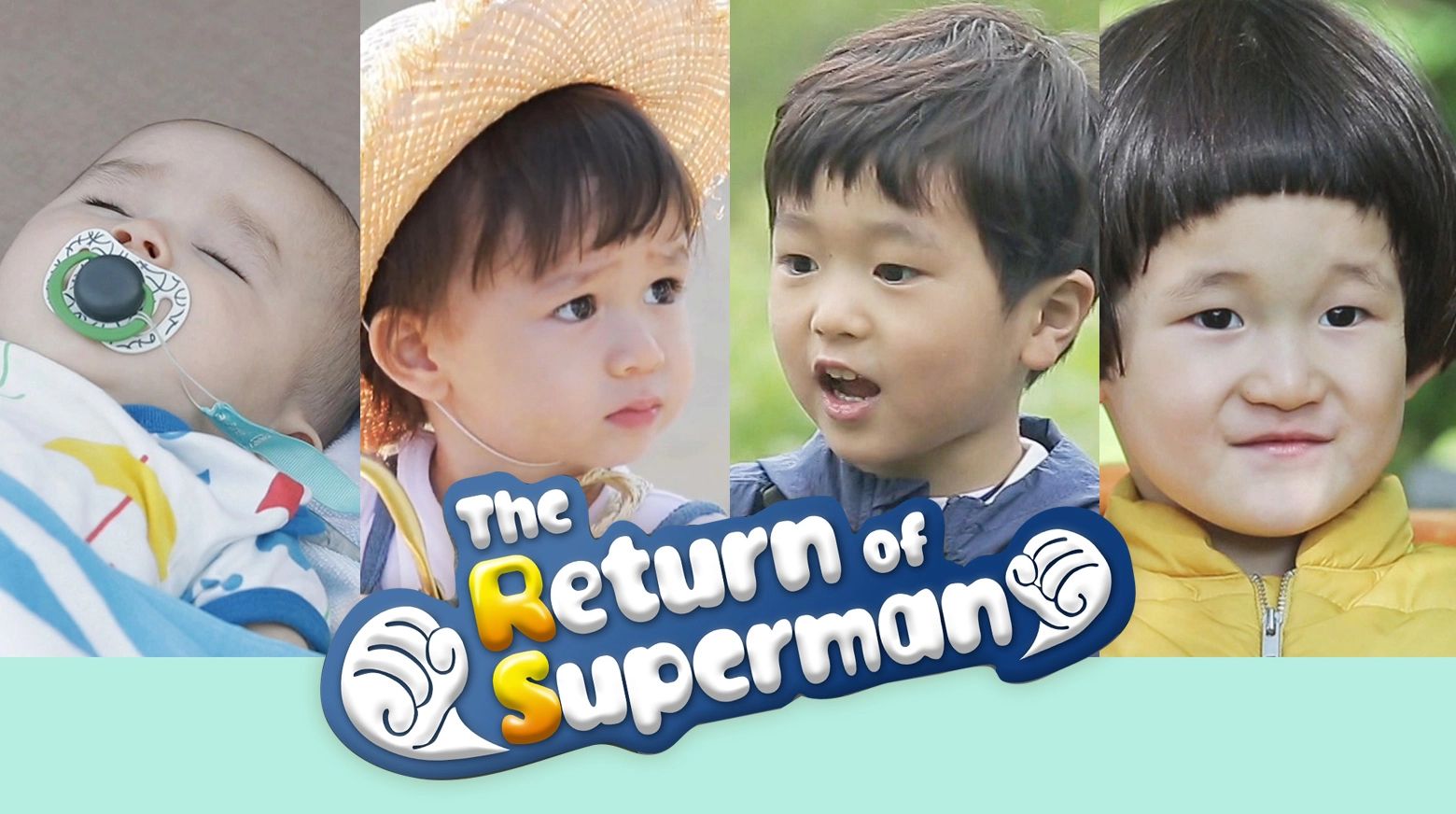
A Korean TV show where babies often appear
◦
The Return of Superman
•
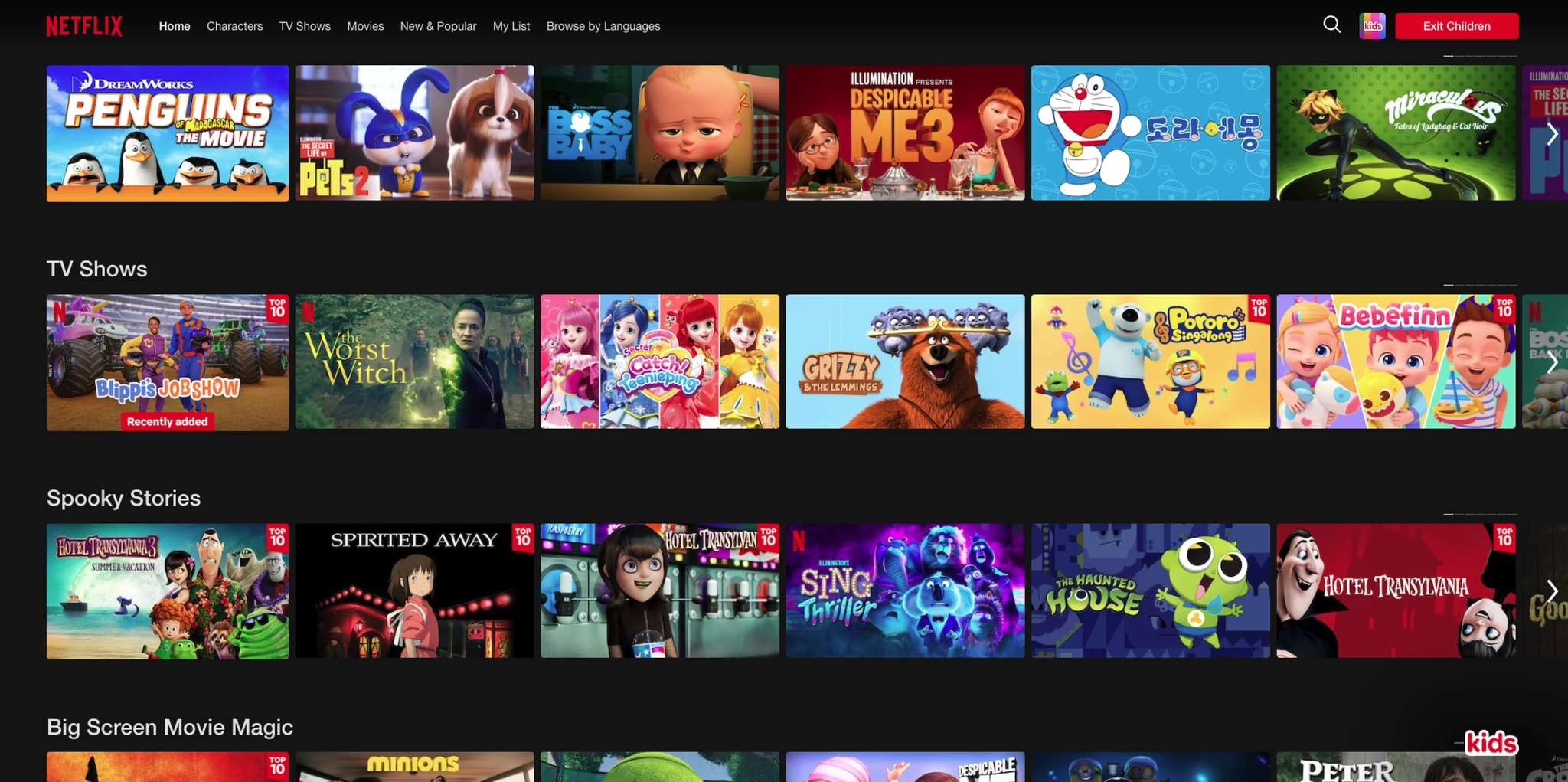
Netflix
◦
Netflix for Kids with Korean dubbing
 Tip: One video 10 times > 10 videos once
 Meaning-First Conversation
Finding Conversation Partners:
•
Local Korean speakers & learners around you
•
Language exchange apps ( filter out dating seekers)
filter out dating seekers)•
I (Youseop) can be your Korean friend too! 
 Creating Your Safety Zone
Remember why people speak foreign languages better when drinking:
•
Fear of mistakes ↓
•
Focus on meaning ↑
•
Self-censorship OFF
Conversation Rules (Ask your partner):
1.
No grammar corrections during flow
2.
Only ask for clarification when truly lost
3.
Focus on meaning, not perfect sentences
 Special Present for You
 Level-Based Learning Materials
I know that finding appropriate Korean content in your level is very difficult, especially for beginners.
So I've prepared a gift 
Curated video collections where you'll understand 70-80%:
•
Videos with a lot of visual clues for repetition
•
Key phrases for each situation
•
Progressive difficulty levels

 I'll Be Your Language Parent
After struggling with test-English and finding my way to real communication, I watched exchange students suffer with Korean. Students who loved Korean culture were losing interest because of the language barrier.
That's when I decided: I'll help people interested in Korea. I'll make Korean a bridge, not a wall, to Korean culture.
My promise:
Korean will become your bridge to Korean culture, not an obstacle in your path.
 Influential Videos That Shaped My Language Approach
These videos inspired me to design a learning experience that helps students acquire Korean naturally, just like children.



Hwaiting! 화이팅! 